
This Area Quietly Causes Daily Stress
Jan 08, 2026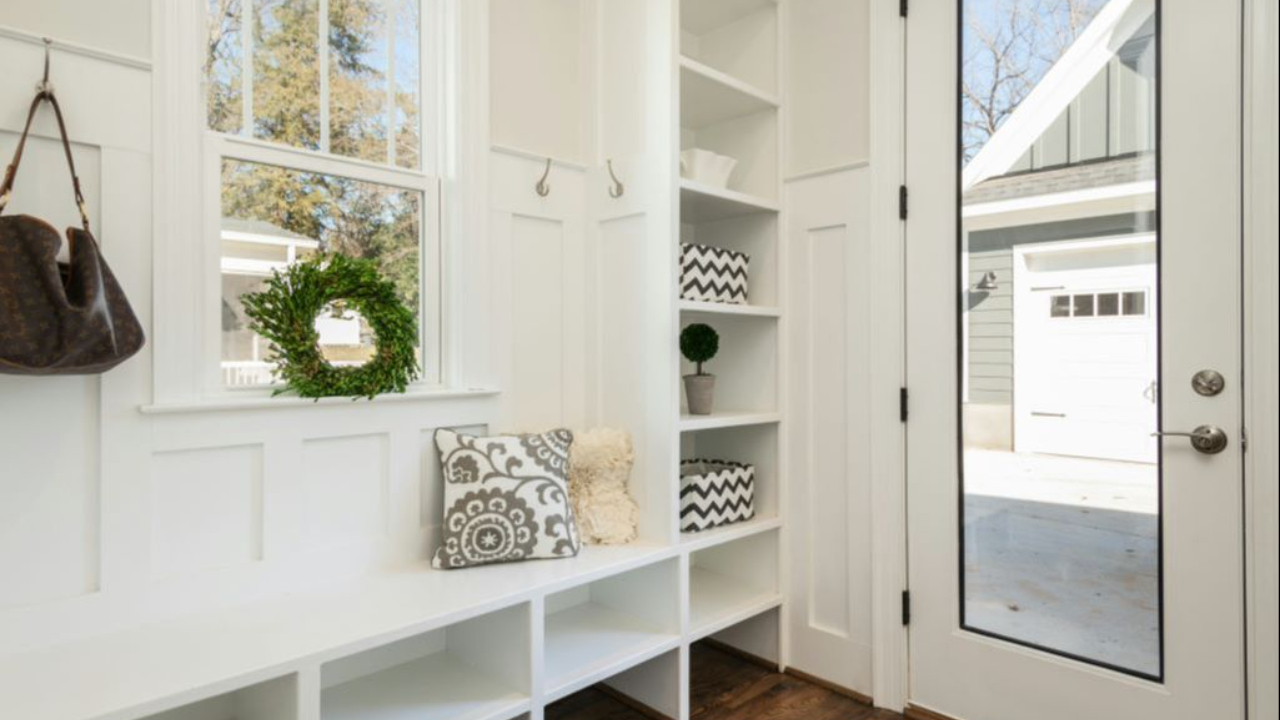
Stress at home doesn't always start with something big or dramatic.
It’s usually something small. Something that slowly builds.
Something we walk past ten times a day.
Something we don’t even think about anymore… until it starts to feel heavy.
For many families, that “something” is a drop zone.
Mail on the counter. Shoes by the door. Backpacks on the floor. Keys that never seem to land in the same place twice. These little piles quietly build stress because they’re visual reminders of decisions not yet made and they show up right when we’re trying to get out the door or finally settle in for the night.
When a drop zone works well, it actually reduces mental load.
Everyone knows where things go. The house feels calmer. Mornings and evenings run more smoothly.
But when a drop zone isn’t planned with your family, your habits, and your space in mind, or when it doesn’t exist at all, it can do the opposite. It becomes a constant friction point. A place where clutter collects and patience wears thin.
That’s why drop zones matter more than most people realize and why getting them right can make daily life feel noticeably easier.
Below are some simple steps to help you set up an effective drop zone.
A Simple Step-by-Step Guide to Setting Up a Drop Zone That Actually Works
Step 1: Decide who the drop zone is for
Before you think about bins, hooks, or furniture, pause here.
Ask:
-
Who uses this space every day?
-
What are they carrying in and out of the house?
A drop zone for a single adult looks very different than one for a family with kids, sports gear, backpacks, and lunch bags. If the people using the space aren’t considered first, the system won’t last.
Step 2: Choose the natural landing spot
The best drop zone is rarely the one that looks the nicest on Pinterest. It’s the one people already use.
Look for:
-
The first surface things land on when you walk in
-
The door your family actually uses (not always the front door)
-
The area where shoes, bags, or mail already pile up
You’re not trying to change behavior. You’re trying to support it.
Step 3: Define what belongs there (and what doesn’t)
A drop zone should hold daily-use items only.
Common drop zone items:
-
Keys, wallets, purses
-
Backpacks, lunch bags
-
Shoes or coats
-
Mail that still needs attention
What doesn’t belong:
-
Paper you’ve already handled
-
Random items with no home
-
Things that should be put away elsewhere “eventually”
If everything is allowed, clutter takes over fast.
Step 4: Give each item a clear “home”
Every item in the drop zone should have a specific place to land.
That might look like:
-
Hooks for backpacks and bags
-
A tray or small bin for keys and wallets
-
A basket for shoes
-
A file or basket for incoming papers
If it takes more than one step or decision to put something down, it won’t happen consistently.
Step 5: Keep it visible and accessible
Drop zones work best when they’re easy to see and easy to use.
-
Hooks at kid height for kids
-
Open baskets instead of lidded bins
-
Minimal stacking or digging
This isn’t about hiding clutter. It’s about creating order that feels effortless.
Step 6: Build in a quick reset habit
Even the best drop zone needs light maintenance.
A simple reset might be:
-
Clearing papers once a day or once a week
-
Emptying backpacks each afternoon
-
Returning items to their homes before bedtime
Five minutes of maintenance prevents daily stress from building back up.
Step 7: Adjust after real life uses it
No system works perfectly right away.
After a week or two, ask:
-
What keeps ending up here that doesn’t have a home?
-
What isn’t getting used the way we planned?
-
What feels annoying or inconvenient?
Small tweaks make a big difference and a flexible system is a sustainable one.
If you’d like help setting up systems that actually fit your family and routines, this is exactly the kind of work I help clients with. Organizing With Leslie is here to support your family's organizing needs. We are based in Hammond, Louisiana and serve clients all along the Louisiana Northshore area. We also serve clients in the virtual space if you are not local to our in-person service area.
